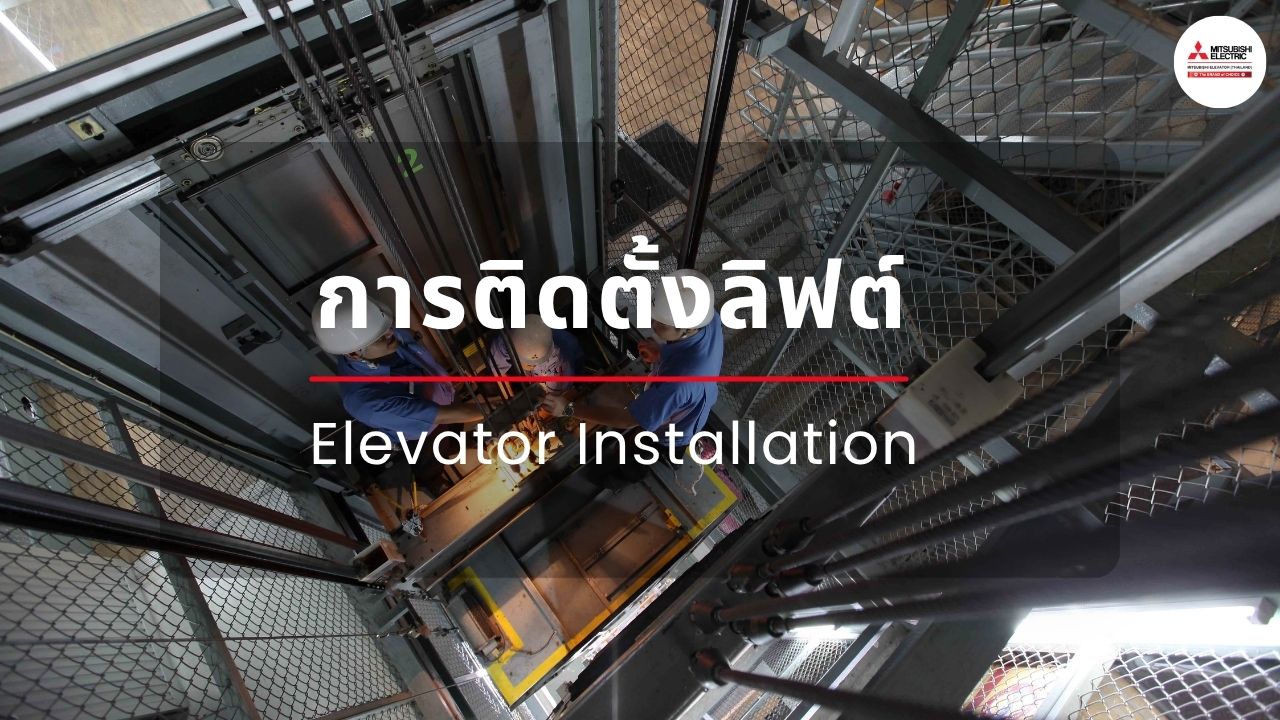
Elevator Installation Services by Mitsubishi Elevator (Thailand)
High-Quality Mitsubishi Electric Elevators, Escalators, and Moving Walks with Comprehensive End-to-End Services
Mitsubishi Elevator (Thailand) provides professional installation services for Mitsubishi Electric elevators, escalators, and moving walks, delivering high-quality transportation solutions for residential, commercial, hospitality, healthcare, and mixed-use developments across Thailand.
From initial planning and installation to testing, commissioning, and after-sales support, our comprehensive services are designed to meet the diverse needs of our customers while ensuring the highest standards of safety, quality, and reliability.
Why Is Professional Elevator Installation Important?
Elevator installation is a highly specialized process that directly impacts passenger safety, ride comfort, operational efficiency, and long-term performance. Proper installation by qualified professionals helps ensure that the elevator system operates smoothly and complies with applicable standards and project requirements.
At Mitsubishi Elevator (Thailand), every installation project is executed under Japanese quality standards, supervised by experienced engineers and skilled technicians who have received technical training from our parent company in Japan. We maintain strict quality control throughout every stage of the installation process to deliver dependable vertical transportation solutions.
Mitsubishi Elevator Installation Process
1. Site Inspection & Planning
Before installation begins, our specialists conduct a comprehensive site assessment to determine the most suitable elevator specifications and installation approach.
The evaluation includes:
- Hoistway dimensions, alignment, overhead clearance, and pit depth.
- Structural support conditions and fixing points for guide rails and machinery.
- Electrical and mechanical interfaces, including power supply, grounding, ventilation, lighting, and work areas.
- Building usage requirements, such as the number of floors, passenger volume, peak traffic periods, and building type.
Based on the findings, we recommend the appropriate elevator model, speed, capacity, safety features, and energy-saving options to optimize building performance and passenger experience. Shop drawings and method statements are then prepared for review and approval by project stakeholders.
2. Preparation of the Installation Site
The installation area is prepared according to established technical requirements to ensure readiness for the installation of critical elevator components. Structural conditions, machine room arrangements (where applicable), and electrical systems are verified to support safe and efficient installation activities.
3. Elevator Installation
Our certified technicians install the elevator's mechanical and electrical systems in accordance with approved drawings and Mitsubishi installation procedures.
This process includes:
- Guide rail installation.
- Elevator car assembly.
- Installation of drive equipment and control systems.
- Integration of safety devices and related components.
Each step is performed with precision to maintain the quality and reliability expected from Mitsubishi Electric products.
4. Testing & Quality Assurance
Following installation, comprehensive inspections and performance tests are conducted by our engineering team to verify that all systems function correctly and safely.
Testing procedures include evaluations of:
- Drive system performance.
- Braking systems.
- Door operation.
- Emergency and safety devices.
- Overall operational performance.
Only after successfully completing these quality assurance procedures is the elevator approved for service.
5. Handover & Customer Training
Once all inspections have been completed, the elevator is officially handed over to the customer.
Our team also provides guidance on:
- Basic elevator operation.
- Safety awareness for building personnel.
- Recommended maintenance practices to support long-term performance and reliability.
Mitsubishi Elevator (Thailand): Delivering Safety and Confidence in Every Journey
Mitsubishi Elevator (Thailand) is proud to contribute to some of Thailand's most significant developments through professional installation services built upon Japanese standards of excellence.
Our commitment extends beyond delivering high-quality elevator systems. We strive to provide peace of mind through meticulous installation practices, rigorous quality assurance, and dedicated customer support throughout the entire lifecycle of every project.
Whether you are developing a condominium, office building, hotel, hospital, retail complex, or other commercial property, Mitsubishi Elevator (Thailand) is committed to providing elevator solutions that prioritize safety, quality, efficiency, and customer satisfaction.
We install more than elevators—we build confidence in every journey.
FAQ
Q: Why is professional elevator installation important?
A: Professional elevator installation ensures passenger safety, smooth operation, regulatory compliance, and long-term reliability through proper planning, installation, and quality control.
Q: What are the steps involved in elevator installation?
A: The process typically includes site inspection and planning, site preparation, equipment installation, testing and quality assurance, followed by handover and user training.
Q: Does Mitsubishi Elevator (Thailand) provide post-installation support?
A: Yes. Mitsubishi Elevator (Thailand) provides quality inspections, customer training, and after-sales support to help ensure safe and reliable elevator operation throughout its lifecycle.
Q: What types of buildings can benefit from Mitsubishi Electric elevator solutions?
A: Mitsubishi Electric elevator solutions are suitable for residential buildings, Home, condominiums, offices, hotels, hospitals, retail developments, and mixed-use projects.


